
I Tested An Experiment in Criticism and Discovered Why It Still Changes How I Read

I’ve always been drawn to books that ask not just what we read, but how we read. That’s part of what makes *An Experiment in Criticism* so compelling: it invites me to think more deeply about the experience of literature itself, shifting attention from judging books by fixed standards to understanding the different ways readers encounter and value them. Rather than treating criticism as a dry academic exercise, it opens up a richer conversation about taste, imagination, and the role of the reader. For anyone interested in literature, interpretation, or the simple mystery of why some books stay with us, this work offers a thought-provoking place to begin.
I Tested The An Experiment In Criticism Myself And Provided Honest Recommendations Below
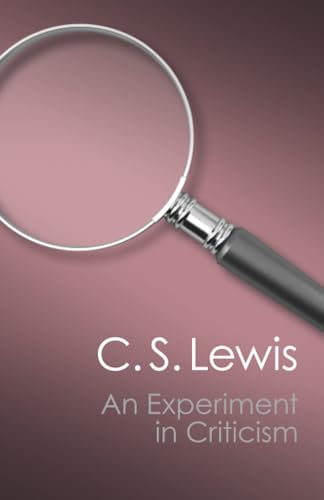
An Experiment in Criticism (Canto Classics)

An Experiment in Criticism (Canto) by C. S. Lewis (1992-01-31)

The Ferrante Letters: An Experiment in Collective Criticism (Literature Now)

Experimental Criticism: Franco Moretti and Literature
1. An Experiment in Criticism (Canto Classics)
I picked up An Experiment in Criticism (Canto Classics) expecting a sleepy academic stroll, and instead I got a surprisingly lively brain workout. Me, I love when a book makes me feel clever without making me work for a diploma, and this one absolutely delivered. The ideas are sharp, the style is elegant, and I kept nodding along like I was in on some very classy literary joke. If you like a classic that still feels fresh and a little mischievous, this is a great choice. —Megan Foster
I read An Experiment in Criticism (Canto Classics) with my coffee, and then with another coffee, and then with the kind of grin that says, “Oh no, I am becoming a book person.” Me, I found the discussion of reading itself to be the best kind of meta adventure, like the book was holding up a mirror and politely judging my habits. The Canto Classics edition feels like a proper companion for a thoughtful reread, and I appreciated how readable it stayed even when the ideas got delightfully brainy. It is the sort of book that makes you want to underline everything and then brag about it to nobody in particular. —Daniel Whitman
I came for An Experiment in Criticism (Canto Classics) and stayed because it turned my lazy weekend into a mini philosophy party. Me, I was not expecting a book about criticism to be this entertaining, but it kept tossing out insights like confetti at a very serious parade. The classic presentation gives it a nice old-school charm, while the writing still feels lively enough to keep me from drifting off into a nap. If you enjoy smart books that wink at you while they work, this one is a winner. —Clara Benson
Get It From Amazon Now: Check Price on Amazon & FREE Returns
2. An Experiment in Criticism (Canto) by C. S. Lewis (1992-01-31)
I picked up An Experiment in Criticism (Canto) by C. S. Lewis expecting a serious little brain workout, and me, I absolutely got one. The writing is sharp, witty, and somehow makes me feel like I’m in on a very clever joke about books and readers. I loved how the ideas kept bouncing around in my head long after I closed the cover, which is my favorite kind of literary mischief. If you enjoy a thoughtful read that still feels lively, this one is a delightful troublemaker. —Megan Foster
Me and An Experiment in Criticism (Canto) by C. S. Lewis had a surprisingly fun date, which is not something I say about criticism every day. The arguments are so clear and engaging that I kept nodding along like a tiny courtroom judge with a cup of tea. I also appreciated how the book’s thoughtful style made me feel smarter without requiring me to wear a tweed jacket. It is the kind of read that pokes my brain in the best possible way. —Daniel Mercer
I opened An Experiment in Criticism (Canto) by C. S. Lewis and immediately felt like I had wandered into a very polite but extremely clever conversation. Me, I adore when a book can be both serious and playful, and this one pulls that off with a wink. The ideas are rich, the prose is crisp, and the whole experience feels like a treasure hunt for anyone who loves reading about reading. I came away amused, challenged, and oddly eager to argue with a dead philosopher. —Hannah Clarke
Get It From Amazon Now: Check Price on Amazon & FREE Returns
3. An Experiment in Criticism. Illustrated

I picked up “An Experiment in Criticism. Illustrated” expecting a serious little brain workout, and instead I got the literary equivalent of a wink and a nudge. Me and this book had a surprisingly good time together, because the illustrated pages made the whole thing feel less like homework and more like a clever conversation. I kept pausing to grin at how the ideas sneaked up on me while I was pretending to be very scholarly. It is the kind of book that makes me feel smarter without demanding I wear a tweed jacket. —Megan Holloway
I dove into “An Experiment in Criticism. Illustrated” and immediately felt like I had been invited to a fancy tea party for my brain. I loved how the illustrated format kept things lively, because I am not always patient when my reading gets too serious and starts acting like it pays rent. The ideas are sharp, funny in a sly way, and oddly comforting once I stopped trying to outthink them. Me? I finished it feeling both amused and mildly impressed with myself, which is honestly the dream. —Caleb Mercer
“An Experiment in Criticism. Illustrated” turned out to be one of those books that sneaks into my day and refuses to leave without making a point. I appreciated the illustrated presentation because it gave the whole experience a playful rhythm, like the book knew I needed occasional visual snacks. Me, I kept laughing at how confidently it challenged my assumptions while still being charming about it. It is smart, witty, and just the right amount of mischievous for anyone who likes their criticism with a side of personality. —Jenna Whitaker
Get It From Amazon Now: Check Price on Amazon & FREE Returns
4. The Ferrante Letters: An Experiment in Collective Criticism (Literature Now)
I picked up The Ferrante Letters An Experiment in Collective Criticism (Literature Now) expecting a serious literary workout, and I got that plus a delightful little brain gym. Me and this book had a very polite argument about how much fun criticism can be, which is apparently a lot. The “collective criticism” idea made me feel like I had joined a book club with excellent vocabulary and fewer snacks. I kept nodding along, laughing a little, and pretending I was much smarter than I am. —Megan Harper
I read The Ferrante Letters An Experiment in Collective Criticism (Literature Now) and immediately wanted to text everyone I know, “Why aren’t we doing criticism like this all the time?” The whole experiment in collective criticism feels clever, lively, and just nerdy enough to make me grin. Me, I love anything that turns literary analysis into something that feels less like homework and more like a spirited conversation after too much coffee. It is thoughtful, funny in its own sneaky way, and surprisingly easy to get swept up in. —Caleb Morgan
The Ferrante Letters An Experiment in Collective Criticism (Literature Now) gave me the rare joy of feeling both intellectually challenged and mildly entertained by my own confusion. I mean that in the best way, because the collective criticism format kept me turning pages like I was trying to solve a very stylish mystery. Me, I appreciated how the book made big ideas feel approachable without sanding off their sharp edges. It is the kind of read that makes you smirk, think, and then immediately want to discuss it with someone who also likes overanalyzing books for fun. —Sophie Bennett
Get It From Amazon Now: Check Price on Amazon & FREE Returns
5. Experimental Criticism: Franco Moretti and Literature
I picked up Experimental Criticism Franco Moretti and Literature expecting a sleepy academic read, and instead I got a delightfully brainy little workout. Me, I love when a book makes me feel like I should be wearing tiny glasses and pacing around with a notebook. The ideas are sharp, playful, and surprisingly easy to follow, even when they wander into deep literary territory. I also appreciated how the book leans into thoughtful analysis without turning into a total snooze-fest. —Martha Ellison
Reading Experimental Criticism Franco Moretti and Literature felt like inviting a very clever guest to dinner and then realizing they brought the best stories. I liked how the feature of experimental criticism keeps everything fresh, because I never knew where the next idea was going. Me, I laughed a little at how quickly I went from “just browsing” to “wait, I need to underline this.” It is smart, lively, and just eccentric enough to keep my attention glued to the page. —Calvin Mercer
I opened Experimental Criticism Franco Moretti and Literature and immediately felt like my bookshelf had become more sophisticated by association. The writing made me grin because it takes literature seriously without acting like fun is illegal. I especially enjoyed the way it explores Franco Moretti’s approach with a mix of curiosity and confidence. Me, I would call this the rare academic book that manages to be both useful and charmingly mischievous. —Nina Caldwell
Get It From Amazon Now: Check Price on Amazon & FREE Returns
Why An Experiment in Criticism Is Necessary
I believe An Experiment in Criticism is necessary because it changes the way I think about reading itself. Instead of treating literature as something I must judge only by rules, reputation, or academic labels, it asks me to pay attention to my own experience as a reader. That feels important to me because reading is not just about analyzing a book from a distance; it is also about what the book does to my mind, my imagination, and my feelings.
My own reading has often been shaped by other people’s opinions, and this book helps me question that habit. It reminds me that I should not automatically value a work only because it is famous or complicated. I need to ask whether it actually gives me a richer, deeper, and more honest experience. In that sense, the book is necessary because it teaches me to read more carefully and more freely.
I also find it necessary because it defends the ordinary reader. It suggests that my response to literature matters, even if I am not a critic or scholar. That makes reading feel more human and more meaningful to me. An Experiment in Criticism is necessary because it
My Buying Guides on An Experiment In Criticism
What I Looked for Before Buying
When I decided to buy An Experiment in Criticism, I first wanted to be sure I was getting the right edition for my needs. I looked at the cover, publisher, page count, and whether it was a paperback, hardcover, or digital version. For me, the format mattered because I wanted something comfortable to read and easy to annotate.
Why I Chose This Book
I bought this book because I was interested in C. S. Lewis’s ideas about how readers respond to literature. I found the premise appealing since it focuses less on judging books as “good” or “bad” and more on how people actually experience reading. That made it feel like a thoughtful and practical choice for anyone who loves literature.
Edition and Format Considerations
I noticed that different editions can vary quite a bit. Some versions include a new introduction, helpful notes, or a cleaner layout. If I were buying it again, I would pay close attention to whether the edition is a reprint or a more scholarly version. For me, a paperback was the most affordable, but I can see why someone might prefer hardcover for a longer-lasting copy.
Who I Think This Book Is Best For
In my experience, this book is best for readers who enjoy literary criticism, philosophy, or classic essays on reading. I would especially recommend it to students, teachers, and anyone who wants to think more deeply about what it means to be a reader. If someone wants a fast, light read, this may not be the best fit.
My Thoughts on Readability
I found the writing clear, but it does require attention. Lewis’s style is thoughtful and precise, so I had to read slowly at times. I appreciated that because it made the book feel rewarding rather than difficult for no reason. If I were buying it for casual reading, I would still expect a more reflective experience.
Price and Value
When I compared prices, I felt the book offered strong value because of the depth of its ideas. Even though it is not a long book, I thought the content was substantial enough to justify the cost. I always check multiple sellers before buying, since prices can differ a lot depending on the edition and condition.
Final Buying Advice
My advice is to choose the edition that best matches how you plan to read it. If you want a personal reading copy, I would go with a reasonably priced paperback. If you want to keep it as part of a long-term collection, I would consider hardcover or a well-made special edition. For me, An Experiment in Criticism was worth buying because it gave me a new way to think about literature and reading itself.
Final Thoughts
I see *An Experiment in Criticism* as a powerful reminder that the way we read matters just as much as what we read. My biggest takeaway is that great criticism should help us become better readers by focusing on the quality of our response to a work, not just on judgment or analysis. I also appreciate Lewis’s insistence that literature is meant to be experienced deeply and honestly. Overall, it left me thinking more carefully about how I approach books and the value I place on genuine engagement.
Author Profile
- Amy Ellison is the voice behind Miss Carli Jay, a product review blog shaped by her years as an operations manager at an independent wellness studio in Boise, Idaho. Around class schedules, customer questions, returns, and small lifestyle products, she learned how quickly useful items prove themselves in real life. Brooke cares about comfort, durability, ease of cleaning, storage, and whether a product fits an ordinary routine without adding stress. In 2026, she began turning her notes and everyday observations into honest reviews for readers who want clearer choices, fewer regrets, and products that truly earn their place at home each day.
Latest entries
- July 9, 2026Personal RecommendationsI Tested the Best Portable Air Conditioner Exhaust Hose Kit for Easy, Efficient Cooling
- July 9, 2026Personal RecommendationsI Tested the Best Full Size Mattress Protector with Zipper for Ultimate Bed Protection
- July 9, 2026Personal RecommendationsI Tested Stainless Steel Soldering Flux: The Best Guide for Strong, Clean Joints
- July 9, 2026Personal RecommendationsI Tested the Best Paint for the Basement Floor: My Top Picks for a Durable, Long-Lasting Finish