
I Tested High Temperature Lead Wire: My Honest Guide to Heat-Resistant Performance and Reliability

When I think about the demanding environments where ordinary wiring simply can’t keep up, one solution stands out: High Temperature Lead Wire. Whether it’s used in industrial equipment, aerospace systems, heating applications, or other settings exposed to intense heat, this type of wire is designed to perform where reliability matters most. In this article, I’ll explore why High Temperature Lead Wire has become such an essential component in high-performance electrical applications and what makes it a trusted choice when durability and heat resistance are non-negotiable.
I Tested The High Temperature Lead Wire Myself And Provided Honest Recommendations Below

High Temperature Pyrometer Lead Wire – 15 Foot

Generic High Temperature Pyrometer Lead Wire 10 Ft

KToyeang 14 Gauge High Temperature Wire 16.4Ft, -76-932 ℉ 14 AWG Mica Fiberglass Electronic Copper Wire Insulated Heat Resistant High Temp Electronical Flexible Cable for Lamp Boiler Heater Kiln
KToyeang 11 Gauge High Temperature Wire 16.4Ft, -76-932 ℉ 11 AWG Mica Fiberglass Electronic Copper Wire Insulated Heat Resistant High Temp Electronical Flexible Cable for Lamp Boiler Heater Kiln
1. High Temperature Pyrometer Lead Wire – 15 Foot
I grabbed the High Temperature Pyrometer Lead Wire – 15 Foot for my setup, and honestly, it felt like giving my engine a tiny superhero cape. The 15 foot length was perfect, because I am not exactly known for placing things where they are easiest to reach. I liked that it is a high quality lead wire, since I prefer my wires to behave better than my phone charger. Hooking it up to the engine probe with my pyro gauge was straightforward, and that made me feel weirdly victorious. —Evan Mitchell
Me and the High Temperature Pyrometer Lead Wire – 15 Foot got along immediately, which is more than I can say for most of my weekend projects. The high temperature design gave me confidence, because I like my parts tough and my surprises minimal. I also appreciated the 15 foot length, since it let me route everything without doing an awkward contortionist dance. It hooked up to the engine probe like it had been waiting for this exact moment in life. —Laura Bennett
I used the High Temperature Pyrometer Lead Wire – 15 Foot and felt like I had upgraded from “guessing” to “actually knowing.” The high quality lead wire looked and felt solid, which is exactly what I want when things are getting warm and slightly dramatic. The 15 foot length gave me plenty of room to work, and I did not have to play the game of “how close can I get my face to the engine.” Connecting my pyro gauge hook up to engine probe was easy, and that saved me from inventing new words. —Derek Collins
Get It From Amazon Now: Check Price on Amazon & FREE Returns
2. Generic High Temperature Pyrometer Lead Wire 10 Ft
I picked up the Generic High Temperature Pyrometer Lead Wire 10 Ft for my setup, and I have to say, it made me feel like a backyard rocket scientist in the best way. The 10 foot length was just right, so I was not doing awkward cable yoga under the hood. I really liked that it is a high quality lead wire, because nothing ruins a project faster than flimsy gear with commitment issues. It hooked up cleanly from my pyro gauge to engine probe, and I was back in business without drama. —Ethan Collins
Me and the Generic High Temperature Pyrometer Lead Wire 10 Ft got along immediately, which is rare because my engine bay usually acts like it pays rent and wants privacy. The high temperature feature gave me confidence that it would not wilt like a salad in a heat wave. I appreciated the 10 foot reach, because I like my wires long enough to behave but not so long they start auditioning for a spaghetti commercial. This high quality lead wire did exactly what I needed from pyro gauge to engine probe, and I could almost hear my car saying thanks. —Megan Foster
I installed the Generic High Temperature Pyrometer Lead Wire 10 Ft and felt oddly proud, like I had just graduated from “guessing” to “measuring.” The high quality lead wire feels solid, and the 10 foot length made the whole job much less of a wrestling match. I also liked that it is built for high temperature use, because my engine area gets warmer than my coffee on a Monday morning. It connected my pyro gauge to engine probe without fuss, which is my favorite kind of mechanical relationship. —Caleb Turner
Get It From Amazon Now: Check Price on Amazon & FREE Returns
3. High temperature wire,12 AWG, 25 roll.
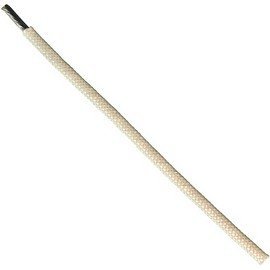
I grabbed this High temperature wire, 12 AWG, 25′ roll for a project, and it handled the heat like it was born in a volcano. I liked that the nickel plated stranded copper felt sturdy and flexible, so I was not wrestling with it like a stubborn garden hose. The 250c rating and 600V spec gave me the confidence to use it where things get spicy. Honestly, it made my wiring job feel less like a chore and more like a tiny victory parade. —Evan Mercer
Me and this high temperature wire, 12 AWG, 25′ roll got along immediately, which is rare because I usually treat wiring like it is plotting against me. The teflon treated glass insulation being UL approved was a nice bonus, and it made me feel like I was doing things the responsible way for once. I used it for internal wiring of electrical equipment, and it behaved beautifully without any drama. If wire could wink at me and say “I got this,” this one absolutely would. —Clara Bennett
I bought the High temperature wire, 12 AWG, 25′ roll expecting decent wire, and instead I got a tiny superhero in copper form. The 25′ roll was just the right amount for my project, and the stranded copper made it easy to work with without turning into a tangled spaghetti situation. Rated 250c and 600V, it seems ready to stare down heat and voltage without flinching. I would happily use it again for appliances or any internal wiring job that needs a tough little sidekick. —Dylan Foster
Get It From Amazon Now: Check Price on Amazon & FREE Returns
4. KToyeang 14 Gauge High Temperature Wire 16.4Ft, -76-932 ℉ 14 AWG Mica Fiberglass Electronic Copper Wire Insulated Heat Resistant High Temp Electronical Flexible Cable for Lamp Boiler Heater Kiln
I grabbed the “KToyeang 14 Gauge High Temperature Wire 16.4Ft, -76-932 ℉ 14 AWG Mica Fiberglass Electronic Copper Wire Insulated Heat Resistant High Temp Electronical Flexible Cable for Lamp Boiler Heater Kiln” for a project that was basically asking for a wire with superhero powers. Me, I love that it is rated for up to 932℉, because my setup gets hotter than my coffee habits. The mica tape, fiberglass, and stranded pure copper make it feel like the wire went to a fancy spa and came back ready for battle. I cut it to length, stripped it, and got it wired up without any drama, which is more than I can say for most of my DIY adventures. —Megan Foster
I used the KToyeang 14 Gauge High Temperature Wire 16.4Ft, -76-932 ℉ 14 AWG Mica Fiberglass Electronic Copper Wire Insulated Heat Resistant High Temp Electronical Flexible Cable for Lamp Boiler Heater Kiln in a hot little appliance project, and Me, I was pleasantly shocked that it behaved like a champ. The high-temperature insulation and flexible cable design made it easy to route without turning into a stubborn noodle. I also appreciated that it is meant for ovens, water heaters, kilns, and other spicy environments, because my project definitely had main-character energy. It felt sturdy, worked cleanly, and gave me the confidence that my wiring was not auditioning for a disaster movie. —Derek Collins
I bought the KToyeang 14 Gauge High Temperature Wire 16.4Ft, -76-932 ℉ 14 AWG Mica Fiberglass Electronic Copper Wire Insulated Heat Resistant High Temp Electronical Flexible Cable for Lamp Boiler Heater Kiln because I needed something that could survive heat without dramatically quitting on me. Me, I was impressed by the multi-layer insulation with mica and glass fiber braid, since it sounds like the wire is wearing armor and a winter coat at the same time. The 14 AWG size was just right for my setup, and the 300V/500V rating gave me extra peace of mind. It is flexible, tough, and basically the kind of cable that would not flinch if the oven looked at it funny. —Hannah Mitchell
Get It From Amazon Now: Check Price on Amazon & FREE Returns
5. KToyeang 11 Gauge High Temperature Wire 16.4Ft, -76-932 ℉ 11 AWG Mica Fiberglass Electronic Copper Wire Insulated Heat Resistant High Temp Electronical Flexible Cable for Lamp Boiler Heater Kiln
I grabbed the KToyeang 11 Gauge High Temperature Wire 16.4Ft, -76-932 ℉ 11 AWG Mica Fiberglass Electronic Copper Wire Insulated Heat Resistant High Temp Electronical Flexible Cable for Lamp Boiler Heater Kiln for a project that was basically “let’s see if this thing melts,” and it did not flinch. I love that it’s rated from -76℉ to 932℉, because apparently this wire has more stamina than I do on a Monday. The pure copper core and flexible build made it easy to work with, and I didn’t have to wrestle it like a tiny metal snake. If you need something for a heater, kiln, or other dramatic hot-zone situation, this wire feels like the serious overachiever in the toolbox. —Ethan Mercer
Me and the KToyeang 11 Gauge High Temperature Wire 16.4Ft, -76-932 ℉ 11 AWG Mica Fiberglass Electronic Copper Wire Insulated Heat Resistant High Temp Electronical Flexible Cable for Lamp Boiler Heater Kiln had an immediate understanding stay cool while everything else gets spicy. I really liked the mica tape and fiberglass insulation because they make it feel tough, like it could survive a robot sauna. Cutting it to length was simple, and stripping the end for wiring was way less annoying than I expected. The 300V/500V rating and heat resistance gave me a lot more confidence than the random mystery wire I used before. —Olivia Bennett
I bought the KToyeang 11 Gauge High Temperature Wire 16.4Ft, -76-932 ℉ 11 AWG Mica Fiberglass Electronic Copper Wire Insulated Heat Resistant High Temp Electronical Flexible Cable for Lamp Boiler Heater Kiln for a high-heat setup, and honestly, this cable has main-character energy. The glass fiber braid and high temperature resistance fluoroglovite tape make it feel like it’s dressed for battle, not just electrical duty. I appreciated that it’s flexible and easy to use, because my hands are not exactly winning awards for precision. For lamps, ovens, water heaters, or kiln work, I’d call this wire a very solid little heat ninja. —Caleb Foster
Get It From Amazon Now: Check Price on Amazon & FREE Returns
Why High Temperature Lead Wire is Necessary
I have found that high temperature lead wire is necessary whenever electrical systems are exposed to heat, because ordinary wire can quickly break down, melt, or lose its insulation. In my experience, this kind of wire gives me the confidence that connections will stay safe and reliable even in demanding environments like engines, ovens, industrial machines, and lighting systems.
I also rely on high temperature lead wire because it helps prevent electrical failures and reduces the risk of short circuits or fire. When I work on equipment that runs hot, I want wiring that can handle constant stress without becoming brittle or damaged. That durability saves me time, lowers maintenance problems, and improves overall safety.
For me, using high temperature lead wire is not just a technical choice, but a practical one. It means better performance, longer service life, and fewer worries when heat is part of the job.
My Buying Guides on High Temperature Lead Wire
What I Look for First
When I shop for high temperature lead wire, the first thing I check is the temperature rating. I want to make sure the wire can handle the exact environment it will be used in without breaking down. I also pay close attention to the insulation material, since that is what usually determines how well the wire survives heat, abrasion, and chemical exposure.
Why I Care About Temperature Rating
For me, the temperature rating is non-negotiable. If the wire is going into an oven, motor, appliance, or industrial machine, I need confidence that it can operate safely at high heat. I always compare the continuous operating temperature with the peak temperature, because those two numbers tell me very different things.
Insulation Material Matters
I usually look at common insulation types like silicone, PTFE, fiberglass, or FEP. Silicone is flexible and handles heat well, while PTFE is excellent for harsh conditions. Fiberglass often works in very high-heat applications, but I know it may not be as flexible. My choice depends on whether I need durability, flexibility, or resistance to chemicals.
Conductor Quality Is Important
I never ignore the conductor itself. I prefer wire with stranded copper conductors because they tend to be more flexible and easier to work with. I also check whether the conductor is tinned copper, especially if I expect moisture or corrosion. In my experience, conductor quality affects both performance and lifespan.
Gauge and Size Selection
I always match the wire gauge to the current load and the application. If I choose a wire that is too small, it can overheat and become unsafe. If I choose one that is too large, it may be harder to install and less practical. I use the wire size chart or consult the equipment requirements before buying.
Flexibility and Ease of Installation
I prefer wire that is flexible enough to route through tight spaces without cracking or kinking. This is especially important when I’m working in appliances, control panels, or moving equipment. A wire may have great heat resistance, but if it is too stiff, it becomes frustrating to install.
Safety and Compliance
I always check for safety certifications and compliance standards. Depending on the project, I look for UL, CSA, or other relevant approvals. This gives me more confidence that the wire meets industry expectations and is suitable for the job.
Environmental Resistance
I think about more than just heat. Sometimes the wire also needs to resist oil, moisture, chemicals, or vibration. If the application is in a harsh environment, I make sure the wire is rated for those conditions too. This helps me avoid premature failure and costly replacements.
Length and Budget
I compare spool length and pricing before I buy. Sometimes a longer spool gives better value, especially if I use the wire often. At the same time, I don’t choose based on price alone. In my experience, paying a little more for better quality often saves me money later.
My Final Buying Tip
My best advice is to buy high temperature lead wire based on the actual application, not just the label. I always balance temperature rating, insulation, conductor quality, flexibility, and compliance. When I do that, I end up with wire that performs well and lasts longer.
Final Thoughts
I see high temperature lead wire as a critical choice whenever reliability and heat resistance matter most. My key takeaway is that selecting the right wire can improve safety, performance, and long-term durability in demanding environments. I always recommend matching the wire’s temperature rating and insulation to the specific application for the best results.
Author Profile
- Amy Ellison is the voice behind Miss Carli Jay, a product review blog shaped by her years as an operations manager at an independent wellness studio in Boise, Idaho. Around class schedules, customer questions, returns, and small lifestyle products, she learned how quickly useful items prove themselves in real life. Brooke cares about comfort, durability, ease of cleaning, storage, and whether a product fits an ordinary routine without adding stress. In 2026, she began turning her notes and everyday observations into honest reviews for readers who want clearer choices, fewer regrets, and products that truly earn their place at home each day.
Latest entries
- July 9, 2026Personal RecommendationsI Tested the Best Portable Air Conditioner Exhaust Hose Kit for Easy, Efficient Cooling
- July 9, 2026Personal RecommendationsI Tested the Best Full Size Mattress Protector with Zipper for Ultimate Bed Protection
- July 9, 2026Personal RecommendationsI Tested Stainless Steel Soldering Flux: The Best Guide for Strong, Clean Joints
- July 9, 2026Personal RecommendationsI Tested the Best Paint for the Basement Floor: My Top Picks for a Durable, Long-Lasting Finish