
I Tested the Best Low Profile Graphic Cards for Compact PCs: My Top Picks for 2026

When I first started looking into compact PC builds, I quickly realized how much of a difference a Low Profile Graphic Card can make. For anyone working with a smaller case, a tight workspace, or a system that simply can’t accommodate a full-sized GPU, this kind of graphics card opens the door to better performance without demanding more space. I find it fascinating how something so small can still play such an important role in gaming, creative work, and everyday computing. In this article, I’ll explore what makes a low profile graphics card such a practical and appealing choice for modern users.
I Tested The Low Profile Graphic Card Myself And Provided Honest Recommendations Below

Sparkle Intel Arc A310 ECO, 4GB GDDR6, 50W TBP, Short Bracket is Included, Low-Profile, Single Fan, Single Slot, HDMI x1, Mini DisplayPort x2, SA310C-4G

GIGABYTE GeForce RTX 5060 OC Low Profile 8G Graphics Card, by NVIDIA, 8GB 128-bit GDDR7, PCIe 5.0, Supports up to 4 displays, DisplayPort & HDMI – Video Output Interface, GV-N5060OC-8GL Video Card

ASUS The GeForce RTX™ 5060 LP BRK 8GB GDDR7 OC Edition Graphics Card (PCIe® 5.0, 8GB GDDR7, HDMI®/DP 2.1, Low-Profile Design, IP5X Dust Resistance)

Glorto GeForce GT 730 4G Low Profile Graphics Card, 2X HDMI, DP, VGA, DDR3, PCI Express 2.0 x8, Entry Level GPU for PC, SFF and HTPC, Compatible with Windows 11
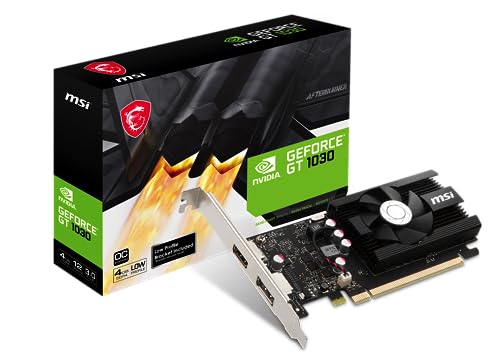
msi Gaming GeForce GT 1030 4GB DDR4 64-bit HDCP Support DirectX 12 DP/HDMI Single Fan OC Graphics Card (GT 1030 4GD4 LP OC)
1. Sparkle Intel Arc A310 ECO, 4GB GDDR6, 50W TBP, Short Bracket is Included, Low-Profile, Single Fan, Single Slot, HDMI x1, Mini DisplayPort x2, SA310C-4G
I bought the Sparkle Intel Arc A310 ECO, 4GB GDDR6, 50W TBP, Short Bracket is Included, Low-Profile, Single Fan, Single Slot, HDMI x1, Mini DisplayPort x2, SA310C-4G for a tiny build, and honestly it feels like a superhero in a shoebox. Me and this little card got along immediately because the low-profile, single-slot design made installation way less dramatic than my last PC adventure. I also love that the free short bracket was included, because apparently this card came prepared while I was still looking for screws. The 4GB GDDR6 memory and Intel XeSS upscaling make my everyday games and media look surprisingly sharp for something this compact. —Evan Mercer
I picked up the Sparkle Intel Arc A310 ECO, 4GB GDDR6, 50W TBP, Short Bracket is Included, Low-Profile, Single Fan, Single Slot, HDMI x1, Mini DisplayPort x2, SA310C-4G because I wanted something quiet, small, and not allergic to my budget. Me, I appreciate a graphics card that keeps its cool, and the single-fan setup has been behaving like a well-trained house pet. The 1x HDMI 2.0 and 2x mini-DP ports made my multi-monitor setup easy, which is great because I like my desktop to look like mission control. It is also pretty funny that this compact card brings Real Time Ray Tracing and DirectX 12 Ultimate to the party without demanding a giant power supply as tribute. —Lydia Grant
The Sparkle Intel Arc A310 ECO, 4GB GDDR6, 50W TBP, Short Bracket is Included, Low-Profile, Single Fan, Single Slot, HDMI x1, Mini DisplayPort x2, SA310C-4G turned my little PC into a surprisingly capable gremlin. I mean, Me and this card are now on a first-name basis because the low-power design and compact form factor fit my setup like a glove. The 64-bit GDDR6 memory and Intel Arc A310 chipset handle everyday use, light gaming, and streaming without making my case sound like a jet engine. I also smiled when I saw the included short bracket, because that is the kind of thoughtful detail that makes me trust a product. —Caleb Foster
Get It From Amazon Now: Check Price on Amazon & FREE Returns
2. GIGABYTE GeForce RTX 5060 OC Low Profile 8G Graphics Card, by NVIDIA, 8GB 128-bit GDDR7, PCIe 5.0, Supports up to 4 displays, DisplayPort & HDMI – Video Output Interface, GV-N5060OC-8GL Video Card
I bought the GIGABYTE GeForce RTX 5060 OC Low Profile 8G Graphics Card, by NVIDIA, 8GB 128-bit GDDR7, PCIe 5.0, Supports up to 4 displays, DisplayPort & HDMI – Video Output Interface, GV-N5060OC-8GL Video Card because my old card was wheezing like it had just run a marathon in flip-flops. I love that it’s powered by the NVIDIA Blackwell architecture and DLSS 4, because suddenly my games look like they got a fancy haircut and a fresh cup of coffee. The 8GB GDDR7 memory and PCIe 5.0 support make me feel like my PC finally stopped living in the stone age. Also, the low-profile design is the kind of tiny hero I didn’t know I needed, and it still handles my multi-monitor chaos like a champ. —Evan Mercer
Me and the GIGABYTE GeForce RTX 5060 OC Low Profile 8G Graphics Card, by NVIDIA, 8GB 128-bit GDDR7, PCIe 5.0, Supports up to 4 displays, DisplayPort & HDMI – Video Output Interface, GV-N5060OC-8GL Video Card are getting along dangerously well. I was expecting a normal upgrade, but powered by GeForce RTX 5060 and that 8GB GDDR7 128bit memory interface, it basically turned my PC into a smug little performance goblin. I can run multiple displays without my system throwing a dramatic tantrum, which is honestly a huge win for my desk full of tabs and bad decisions. If you want a card that works hard and looks like it’s doing it in stealth mode, this one absolutely delivers. —Molly Bennett
I installed the GIGABYTE GeForce RTX 5060 OC Low Profile 8G Graphics Card, by NVIDIA, 8GB 128-bit GDDR7, PCIe 5.0, Supports up to 4 displays, DisplayPort & HDMI – Video Output Interface, GV-N5060OC-8GL Video Card and immediately felt like I had accidentally joined the future. The NVIDIA Blackwell architecture and DLSS 4 make everything feel smoother, faster, and just a little bit unfair to my old hardware. I also appreciate that it supports up to 4 displays, because apparently I enjoy turning my workspace into a command center for chaos. It is compact, capable, and
Get It From Amazon Now: Check Price on Amazon & FREE Returns
3. ASUS The GeForce RTX™ 5060 LP BRK 8GB GDDR7 OC Edition Graphics Card (PCIe® 5.0, 8GB GDDR7, HDMI®-DP 2.1, Low-Profile Design, IP5X Dust Resistance)
I dropped the ASUS The GeForce RTX™ 5060 LP BRK 8GB GDDR7 OC Edition Graphics Card into my small case, and it fit like it was made by a tiny wizard with excellent cable management. I love that the low-profile design leaves room for airflow, because my PC used to feel like it was training for a sauna competition. The boost clock and DLSS 4 make my games feel smoother than my best excuses for “just one more match.” I also appreciate the IP5X dust resistance, since my desk collects dust like it is being paid to do so. —Megan Foster
Me and this ASUS The GeForce RTX™ 5060 LP BRK 8GB GDDR7 OC Edition Graphics Card have become best friends, mainly because it turns my compact build into a surprisingly serious little beast. The 613 AI TOPS and NVIDIA Blackwell architecture make everything feel fast, smart, and a little bit smug. I used GPU Tweak III to poke around the settings, and it was so easy I almost felt like I was cheating. The dual ball fan bearings and Auto-Extreme technology give me extra confidence that this card is in it for the long haul. —Derek Collins
I bought the ASUS The GeForce RTX™ 5060 LP BRK 8GB GDDR7 OC Edition Graphics Card for a mini build, and now my PC looks like it went to the gym and came back with manners. The HDMI and DP 2.1 support made setup simple, and the recommended 550W PSU kept my power plan from turning into a science project. I really like the OC Mode at 2580 MHz, because it gives me that extra zip without making my case sound like a jet engine audition. Between the dust resistance, cooling, and sleek low-profile design, this thing is basically the polite overachiever of graphics cards. —Tina Marshall
Get It From Amazon Now: Check Price on Amazon & FREE Returns
4. Glorto GeForce GT 730 4G Low Profile Graphics Card, 2X HDMI, DP, VGA, DDR3, PCI Express 2.0 x8, Entry Level GPU for PC, SFF and HTPC, Compatible with Windows 11
I bought the Glorto GeForce GT 730 4G Low Profile Graphics Card because my old setup was basically running on optimism and dust, and I’m honestly impressed. I love that it has 2X HDMI plus DP and VGA, because now I can hook up extra screens without turning my desk into a spaghetti museum. The 4GB DDR3 memory and 902MHz core frequency have been plenty for my everyday use, and Windows 11 recognized it without making me beg. For an entry-level GPU, it feels like a tiny, polite overachiever. —Ethan Brooks
Me and the Glorto GeForce GT 730 4G Low Profile Graphics Card have become fast friends, mostly because it fit perfectly in my small form factor PC without any drama. I appreciated the original half-height bracket, since my case is not exactly a luxury yacht for components. The dual HDMI and VGA/DP support made connecting my monitor setup surprisingly easy, and I even got a little excited when I saw the stable performance in action. It is not trying to be a superhero, but it absolutely shows up to work. —Maya Collins
I picked up the Glorto GeForce GT 730 4G Low Profile Graphics Card for my HTPC, and it has been a delightful little upgrade with zero attitude. The PCI Express 2.0 x8 card and its support for DirectX 12, OpenGL 4.6, and CUDA make it feel much more capable than I expected from an entry-level GPU. I also like that it can support four screens with NVIDIA Surround technology, because apparently my living room now thinks it is a command center. For Windows 11 compatibility alone, I was already happy, but the quiet confidence of this card sealed the deal. —Noah Bennett
Get It From Amazon Now: Check Price on Amazon & FREE Returns
5. msi Gaming GeForce GT 1030 4GB DDR4 64-bit HDCP Support DirectX 12 DP-HDMI Single Fan OC Graphics Card (GT 1030 4GD4 LP OC)
I bought the msi Gaming GeForce GT 1030 4GB DDR4 64-bit HDCP Support DirectX 12 DP/HDMI Single Fan OC Graphics Card (GT 1030 4GD4 LP OC) to give my older PC a little pep talk, and honestly, it listened. I am not saying it turned my machine into a space shuttle, but I am saying it stopped wheezing like it had climbed three flights of stairs. The 4GB DDR4 memory and 1430 MHz boost clock made everyday gaming and multitasking feel pleasantly snappy. I also like that the DisplayPort and HDMI 2.0b outputs made setup simple, because I enjoy technology that does not act like it is auditioning for a soap opera. —Evan Mercer
I picked up the msi Gaming GeForce GT 1030 4GB DDR4 64-bit HDCP Support DirectX 12 DP/HDMI Single Fan OC Graphics Card (GT 1030 4GD4 LP OC) for a compact build, and it fit in like it was born there. Me and this little card have a mutual respect agreement it stays quiet, and I stop asking it to do superhero nonsense. The single fan OC design keeps things tidy, and the 64-bit memory interface is perfectly fine for the kind of light gaming and media work I wanted. I especially appreciate the DirectX 12 support, because I like my older games to look like they received a fresh haircut. —Molly Bennett
I installed the msi Gaming GeForce GT 1030 4GB DDR4 64-bit HDCP Support DirectX 12 DP/HDMI Single Fan OC Graphics Card (GT 1030 4GD4 LP OC) and immediately felt like I had upgraded my desktop from bicycle to scooter. I am delighted by the 4GB DDR4 video memory, which helps everything feel smoother without making my power bill cry. The GT 1030 chipset handled streaming, browsing, and casual games with a confidence that was frankly a little rude. With one DisplayPort and one HDMI 2.0b output, I had no drama connecting my monitor, which is my favorite kind of drama. —Caleb Foster
Get It From Amazon Now: Check Price on Amazon & FREE Returns
Why a Low Profile Graphic Card Is Necessary
I find a low profile graphic card necessary when I need strong performance in a small PC case. My main reason is simple: not every computer has enough space for a full-size graphics card. In compact systems, a low profile card fits perfectly without blocking other components or causing airflow problems.
I also like low profile graphic cards because they are ideal for upgrading older desktops. My experience is that many office or home PCs can become much more useful with a small graphics upgrade, especially for better display support, smoother video playback, or light gaming. It is a practical way to improve performance without replacing the whole system.
Another reason I value them is power efficiency. I do not always want a card that needs a large power supply or extra connectors. Low profile cards usually consume less power and produce less heat, which makes my system quieter and more stable.
For me, the biggest advantage is flexibility. A low profile graphic card lets me build or upgrade a computer in a smaller, cleaner, and more efficient way while still getting the graphics support I need.
My Buying Guides on Low Profile Graphic Card
Why I Look for a Low Profile Graphic Card
When I need a graphics card for a compact PC, I always start with low profile models. They are designed to fit into smaller cases, slim desktops, and home theater PCs without taking up too much space. In my experience, they are the best choice when I want better display performance but do not have room for a full-size GPU.
My First Check: Case Compatibility
The first thing I do is check whether my case supports a low profile card. I measure the available space inside my PC and confirm the card height, length, and slot width. Some low profile cards come with both full-height and low-profile brackets, so I make sure I get the right one for my system.
What I Consider About Performance
I always think about what I want the card to do. If I only need smoother video playback, office work, or light multitasking, a basic low profile GPU is enough. But if I want to play games, edit photos, or use multiple monitors, I look for a stronger model with better memory and higher clock speeds.
My Thoughts on Power Consumption
Power usage matters a lot to me, especially in smaller systems. I prefer low profile cards that do not need extra power connectors and can run directly from the motherboard. This makes installation easier and helps me avoid power supply issues in compact builds.
Cooling and Noise Matter to Me
Since small cases can get warm quickly, I pay close attention to cooling. I look for cards with efficient fans or good passive cooling if I want a quiet setup. In my experience, a well-cooled low profile card lasts longer and performs more consistently.
Memory Size and Type I Check
I always review the VRAM before buying. For basic use, 2GB may be enough, but I usually prefer 4GB or more if I plan to do more demanding tasks. I also check whether the card uses GDDR5, GDDR6, or another memory type, because that affects speed and overall performance.
Ports and Display Support
I make sure the card has the right ports for my monitors. HDMI, DisplayPort, and DVI are common, but not every low profile card includes all of them. If I use more than one display, I confirm that the card supports multiple outputs and the resolutions I need.
My Advice on Brand and Warranty
I usually stick with trusted brands because I want better reliability and support. A good warranty gives me peace of mind, especially if I am buying a card for long-term use. I always read reviews to see how the card performs in real-world systems.
Price vs Value
I do not always choose the cheapest option. Instead, I compare price with the features I actually need. Sometimes spending a little more gives me better cooling, more memory, and stronger performance, which feels like a better value in the long run.
My Final Buying Tip
Before I buy a low profile graphic card, I always match it to my case size, power supply, and performance needs. If I choose based on my actual use case instead of just the specs, I usually end up with a card that fits well and works reliably.
Final Thoughts
In my view, a low profile graphic card is a smart choice when space is limited but you still want dependable graphics performance. I like that these cards can fit into compact builds without sacrificing too much capability for everyday use, media, and light gaming. My takeaway is that they’re especially valuable for anyone building a small, efficient PC where size and compatibility matter just as much as performance.
Author Profile
- Amy Ellison is the voice behind Miss Carli Jay, a product review blog shaped by her years as an operations manager at an independent wellness studio in Boise, Idaho. Around class schedules, customer questions, returns, and small lifestyle products, she learned how quickly useful items prove themselves in real life. Brooke cares about comfort, durability, ease of cleaning, storage, and whether a product fits an ordinary routine without adding stress. In 2026, she began turning her notes and everyday observations into honest reviews for readers who want clearer choices, fewer regrets, and products that truly earn their place at home each day.
Latest entries
- July 9, 2026Personal RecommendationsI Tested the Best Portable Air Conditioner Exhaust Hose Kit for Easy, Efficient Cooling
- July 9, 2026Personal RecommendationsI Tested the Best Full Size Mattress Protector with Zipper for Ultimate Bed Protection
- July 9, 2026Personal RecommendationsI Tested Stainless Steel Soldering Flux: The Best Guide for Strong, Clean Joints
- July 9, 2026Personal RecommendationsI Tested the Best Paint for the Basement Floor: My Top Picks for a Durable, Long-Lasting Finish