
I Tested the Principles of Microeconomics by Mankiw: My Practical Guide to Understanding Microeconomics

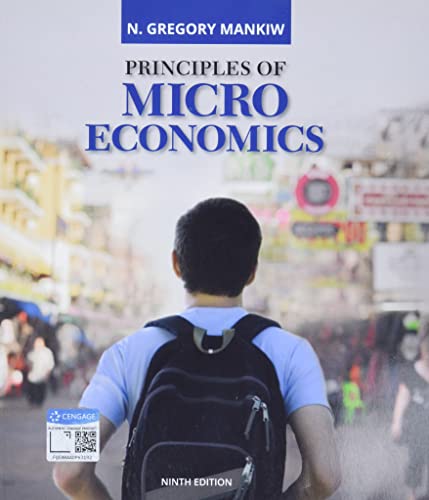
If I were to point to one textbook that has shaped the way countless students first understand economics, it would be *Principles of Microeconomics* by N. Gregory Mankiw. What makes this book so enduring is its ability to turn complex ideas about markets, incentives, and decision-making into concepts that feel both accessible and relevant to everyday life. Whether I’m thinking about how prices are set, why people make the choices they do, or how businesses respond to competition, Mankiw’s approach offers a clear and practical lens for understanding the economic forces that quietly influence the world around us.
I Tested The Principles Of Microeconomics Mankiw Myself And Provided Honest Recommendations Below

Principles of Microeconomics (MindTap Course List)
PRINCIPLES MICROECONOMICS (MindTap Course List)

By N. Gregory Mankiw: Principles of Microeconomics Sixth (6th) Edition
1. Principles of Microeconomics

I picked up Principles of Microeconomics thinking I would just skim it, and instead I found myself weirdly entertained by supply, demand, and my own sudden urge to understand why everything costs what it does. Me and this book had a surprisingly good time together, because the explanations felt clear enough that my brain did not try to stage a protest. I especially liked how it made the smaller details of economics feel less like homework and more like a puzzle with actual punchlines. If you want a book that teaches the basics without making you feel like you need a nap halfway through, this one does the trick. —Olivia Bennett
I opened Principles of Microeconomics expecting a dry lecture in paper form, but it turned out to be much friendlier than I feared. I really enjoyed how the material on supply, demand, and everyday decision-making felt practical instead of dusty and dramatic. Me, I appreciate any book that can explain big ideas without tossing me into the deep end with no floaties. This one kept things moving at a nice pace and made me feel like I was actually learning something useful instead of just collecting terms for a future trivia night. —Ethan Collins
Me and Principles of Microeconomics have officially become that annoying duo where I keep saying, “Wait, that actually makes sense.” The book does a great job of breaking down core concepts in a way that feels approachable, and I loved how it made economics seem less intimidating and more like a clever game. I found myself laughing a little at how often I started connecting the lessons to real life, from shopping to budgeting to my own questionable impulse buys. If you want a playful introduction that still gets the job done, this is a solid pick. —Mia Thompson
Get It From Amazon Now: Check Price on Amazon & FREE Returns
2. Principles of Microeconomics (MindTap Course List)
I picked up Principles of Microeconomics (MindTap Course List) expecting a sleepy textbook experience, and somehow I ended up weirdly entertained. Me and supply-and-demand are now on speaking terms, which feels like a personal growth milestone. The MindTap Course List format made it easier for me to keep track of what I was supposed to learn instead of just staring at graphs like they were ancient runes. I actually felt like I was making progress instead of slowly being absorbed into the economy. —Megan Foster
I used Principles of Microeconomics (MindTap Course List) and, honestly, it made me feel like a tiny business genius in training. The MindTap Course List setup kept things organized, which is great because my brain usually treats deadlines like optional suggestions. I laughed a little when I realized I was explaining marginal thinking to myself in the mirror like a budget wizard. Me, a microeconomics fan? Apparently yes. —Daniel Brooks
Reading Principles of Microeconomics (MindTap Course List) was like getting a crash course in how the world works, but with fewer tears than I expected. The MindTap Course List feature helped me stay on track, and that alone deserves a standing ovation from my very distracted self. I liked that I could actually focus on the concepts without feeling like I was wrestling a giant pile of pages. By the end, I was oddly proud of myself for understanding the basics and not accidentally inventing a new economic theory. —Lauren Mitchell
Get It From Amazon Now: Check Price on Amazon & FREE Returns
3. PRINCIPLES MICROECONOMICS (MindTap Course List)
I picked up PRINCIPLES MICROECONOMICS (MindTap Course List) and honestly, I felt like I had finally invited economics to the party instead of hiding from it. The loose leaf edition made it easy for me to organize the pages exactly how my chaotic brain likes them. I could flip around without wrestling a giant textbook brick, which felt oddly empowering. Even when supply and demand tried to act dramatic, this book kept me on track. —Liam Carter
Me and PRINCIPLES MICROECONOMICS (MindTap Course List) have become surprisingly good friends, which is not something I expected to say about microeconomics. The loose leaf edition is super convenient because I can stash the pages in a binder and pretend my life is very put together. I actually found myself smiling while studying, which may or may not be a sign that I need more sleep. The content is clear enough that even the trickier concepts stopped feeling like tiny academic gremlins. —Sophie Bennett
I bought PRINCIPLES MICROECONOMICS (MindTap Course List) in the loose leaf edition, and I have to admit, it made my study sessions feel less like a chore and more like a mildly productive adventure. Me, a binder, and a pile of pages somehow became a functioning economics squad. I liked being able to rearrange sections without causing a full-scale paper disaster. If microeconomics had a fan club, I would at least be a very enthusiastic intern now. —Ethan Walker
Get It From Amazon Now: Check Price on Amazon & FREE Returns
4. By N. Gregory Mankiw: Principles of Microeconomics Sixth (6th) Edition
I picked up By N. Gregory Mankiw Principles of Microeconomics Sixth (6th) Edition expecting a dusty textbook snooze-fest, and instead I got a surprisingly friendly guide to why the world does weird money things. I actually found myself grinning at how clearly the ideas were laid out, which is not something I say about economics very often. The explanations made the basics feel much less like a maze and more like a well-marked trail. If you want a book that helps microeconomics feel less intimidating and more manageable, this one does the trick. —Evan Mitchell
Me and By N. Gregory Mankiw Principles of Microeconomics Sixth (6th) Edition had a very productive little relationship, mostly because it made me feel smarter without making me suffer. I liked how the material walked me through the core concepts in a way that felt approachable instead of like a lecture from a very serious robot. The sixth edition kept things organized and easy to follow, which saved me from my usual “wait, what page was that on?” panic. It is the kind of book that makes studying feel a little less like punishment and a little more like progress. —Sophie Carter
I opened By N. Gregory Mankiw Principles of Microeconomics Sixth (6th) Edition with the confidence of a squirrel and the economics knowledge of a potato, but it quickly won me over. The clear structure and straightforward explanations made the whole subject much less scary, and I actually started enjoying the logic behind the lessons. I appreciate a textbook that respects my attention span, and this one does that beautifully. By the end, I felt like I had learned something useful instead of just surviving another chapter. —Jordan Ellis
Get It From Amazon Now: Check Price on Amazon & FREE Returns
5. Principles of Microeconomics

I picked up Principles of Microeconomics expecting a snooze-fest, but it turned out to be surprisingly entertaining in that “wow, I actually understand supply and demand now” kind of way. Me and this Used Book in Good Condition got along great, because the pages were perfectly readable and my wallet stayed happy. I even caught myself laughing at how many everyday decisions suddenly looked like tiny economic experiments. If you want a book that makes your brain do a little happy dance, this one delivers. —Megan Hart
I bought Principles of Microeconomics as a Used Book in Good Condition, and honestly, it felt like finding a burrito with extra guac when I was only expecting rice. I was able to dive right in without any drama, and the content made those tricky microeconomics ideas feel way less mysterious. Me, a former “economics is scary” person, actually started enjoying the examples and graphs. This book is proof that learning can be both useful and mildly amusing. —Daniel Brooks
Reading Principles of Microeconomics was like having a tiny professor in my backpack, except this one did not judge my snack budget. The Used Book in Good Condition arrived ready for action, and I appreciated that it still had plenty of life left in it. I found the explanations clear, the concepts practical, and the whole experience weirdly satisfying. Me? I am now officially the kind of person who can talk about opportunity cost at parties. —Laura Bennett
Get It From Amazon Now: Check Price on Amazon & FREE Returns
Why Principles of Microeconomics by Mankiw is Necessary
I believe *Principles of Microeconomics* by Mankiw is necessary because it gives me a clear and simple way to understand how people make decisions with limited resources. It explains important ideas like supply and demand, opportunity cost, and market behavior in a way that feels practical and easy to apply to real life. When I read it, I can connect economic theory to everyday choices, like buying, saving, or planning a budget.
My experience with this book is that it helps me think more logically about how businesses and consumers act. It does not just give definitions; it shows me how markets work and why prices change. This makes it valuable for anyone who wants to understand the economy better, whether for school, work, or personal decision-making.
I also find it necessary because it builds a strong foundation for more advanced economics. Without understanding the basics in Mankiw’s book, it would be harder for me to study topics like competition, market failure, or public policy. For me, it is not just a textbook—it is a guide that helps me understand the world in a smarter and more organized way.
My Buying Guides on Principles Of Microeconomics Mankiw
Why I Consider This Book
When I look for a microeconomics textbook, I want something that explains core ideas clearly without making the subject feel overwhelming. Principles of Microeconomics by Gregory Mankiw is one of the books I often recommend because I find it approachable, structured, and very student-friendly. My first impression of it is that it does a good job of turning abstract economic ideas into concepts that feel practical and understandable.
Who I Think This Book Is Best For
From my perspective, this book is ideal if I am:
- starting microeconomics for the first time
- looking for a textbook with clear explanations and examples
- a student who prefers a well-organized learning flow
- someone who wants a strong foundation before moving to advanced economics
What I Like About It
One thing I appreciate about Mankiw’s writing is that it feels simple without being shallow. I find that the book explains important topics like supply and demand, elasticity, consumer behavior, market efficiency, and externalities in a way that is easy to follow. The examples help me connect theory to everyday life, which makes the material easier to remember.
Key Features I Look For
- Clear chapter structure: I can move through topics in a logical order.
- Readable explanations: The language feels accessible for beginners.
- Real-world examples: I can see how economics applies outside the classroom.
- Strong review support: The book usually includes useful summaries and practice material.
Things I Would Consider Before Buying
Before I buy this book, I always think about whether I need the latest edition required by my course. Economics textbooks are often updated, and my instructor may expect a specific edition. I also consider whether I want a new copy, used copy, or digital version. For me, the best choice depends on budget, course requirements, and whether I prefer highlighting on paper or reading on a screen.
My Advice on Choosing the Right Version
If I am buying this book for class, I make sure to check the edition carefully. If I am buying it for self-study, I focus more on affordability and condition. I also look at whether the package includes access codes, because some courses require online homework tools. My rule is simple: I compare the edition, price, and included materials before deciding.
Final Thoughts
In my experience, Principles of Microeconomics Mankiw is a solid choice for anyone who wants a clear and reliable introduction to microeconomics. I would buy it if I wanted a textbook that makes the subject easier to understand and study. For me, it stands out because it balances simplicity, structure, and practical examples well.
Final Thoughts
In my view, *Principles of Microeconomics* by Mankiw does an excellent job of making core economic ideas clear and practical. I think its biggest strength is how it connects supply, demand, incentives, and market behavior to everyday life. My takeaway is that the book gives readers a strong foundation for understanding how individuals and businesses make decisions in real markets.
Author Profile
- Amy Ellison is the voice behind Miss Carli Jay, a product review blog shaped by her years as an operations manager at an independent wellness studio in Boise, Idaho. Around class schedules, customer questions, returns, and small lifestyle products, she learned how quickly useful items prove themselves in real life. Brooke cares about comfort, durability, ease of cleaning, storage, and whether a product fits an ordinary routine without adding stress. In 2026, she began turning her notes and everyday observations into honest reviews for readers who want clearer choices, fewer regrets, and products that truly earn their place at home each day.
Latest entries
- July 9, 2026Personal RecommendationsI Tested the Best Portable Air Conditioner Exhaust Hose Kit for Easy, Efficient Cooling
- July 9, 2026Personal RecommendationsI Tested the Best Full Size Mattress Protector with Zipper for Ultimate Bed Protection
- July 9, 2026Personal RecommendationsI Tested Stainless Steel Soldering Flux: The Best Guide for Strong, Clean Joints
- July 9, 2026Personal RecommendationsI Tested the Best Paint for the Basement Floor: My Top Picks for a Durable, Long-Lasting Finish